Jungle outreach changing lives
What began as a response to devastating flooding has grown into a grassroots movement bringing practical support, healthcare and human connection to some of the most isolated communities in the Solomon Islands.
Known as Jungle Ministry, the volunteer-led initiative was established following the flash floods that struck Honiara and surrounding areas in 2014. Initially focused on distributing food and essential supplies to affected families, volunteers soon realised that many inland communities faced even greater challenges accessing assistance.
“We went further inland [and] realised there were people . . . who needed help there as well,” said Jungle Ministry team member Lavern Tuhatangata. “That was when we said, okay let’s go further inland and help those communities.”
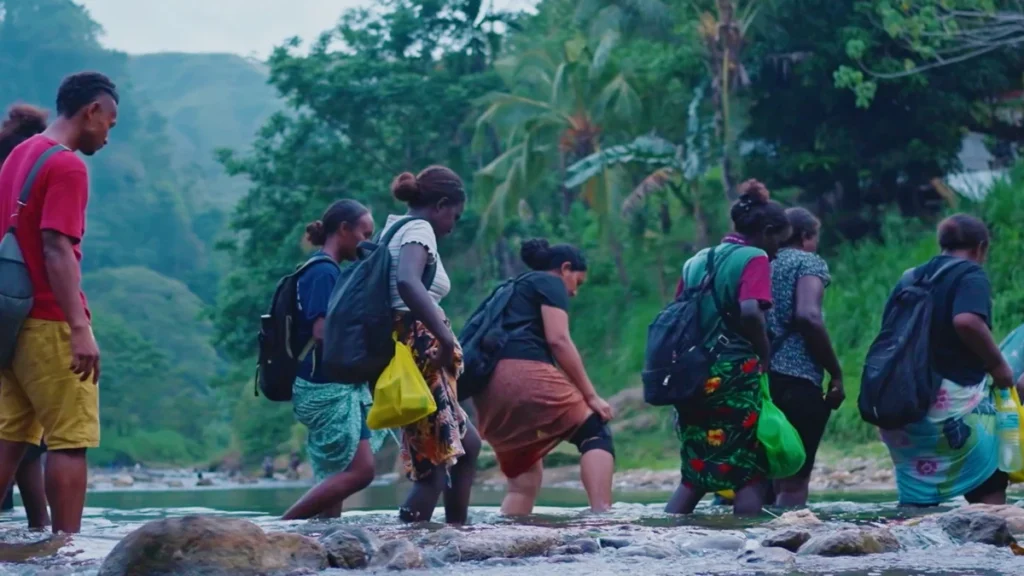
As volunteers travelled deeper into remote regions, they encountered villages that could take up to two days to reach and had received little outside support.
“The more we got involved, we saw how it really caught their attention,” said team member Albert Tango Kaitu’u. “They cried, they really needed it.”
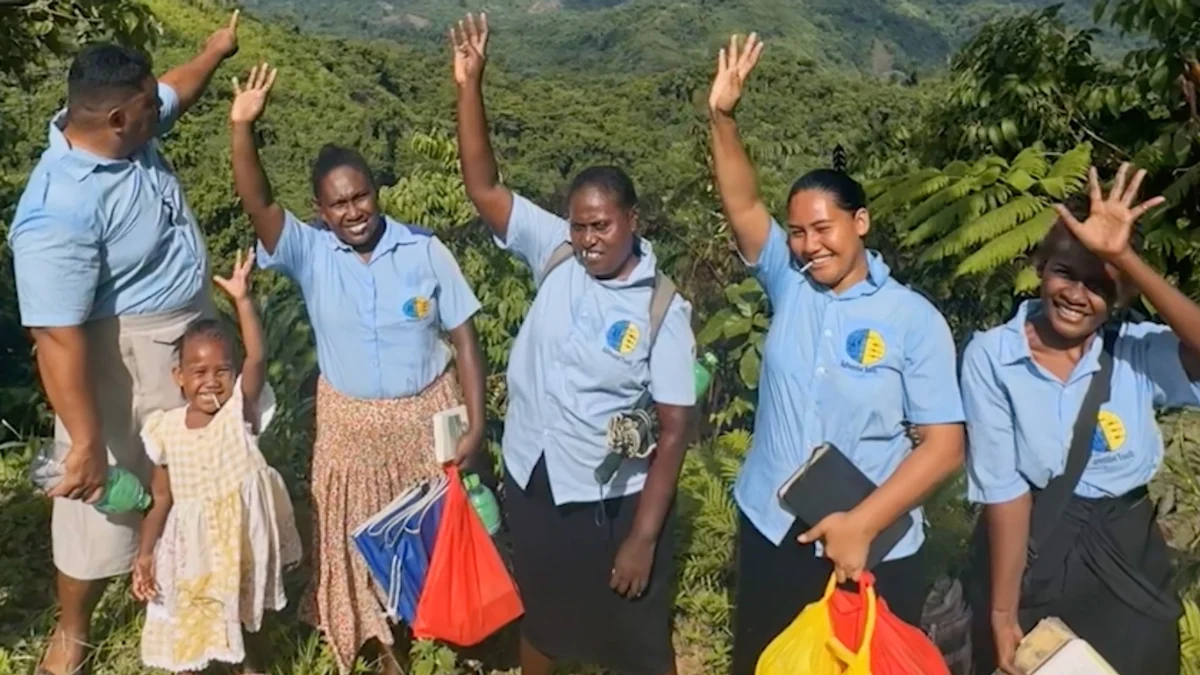
Today, teams of volunteers regularly undertake challenging journeys through rugged terrain and unpredictable weather to visit villages. Along with food and essential items, they provide basic health services, health education and companionship.
“Our youth have a few doctors and nurses in our ranks, so when we travel out, they provide medicines . . . [and] also conduct health screenings and health talks,” Mr Tuhatangata said. “Everywhere we go . . . they see the genuineness and the enjoyment [of] our young people . . . and it really touches their hearts.”
For volunteer Lynelle Mark, the commitment shown by young people is one of the initiative’s most encouraging aspects.
“Sometimes when we travel, there is bad weather—heavy rains fall . . . the youth never get discouraged,” she said. “Although the journey is far, we always look forward to meeting the people in the village.”
The response from communities has been overwhelmingly positive. Volunteer Margaret Lui said many residents express gratitude that someone is willing to make the journey to visit them.
“After we help them, they become so happy,” she said. “And they want us to visit them all the time . . . [they say] you’re the only ones who make the effort to come out and visit us like this.”
Mr Kaitu’u believes the model demonstrates how ordinary people can contribute to stronger, more compassionate communities.
“While we still live, move and breathe, there’s room for us to improve our communities, to be better communities, get involved . . . and caring for the basic needs of others,” he said.
“I believe if all young people alive here today, if they take on this concept and apply it, then every community will become a better community.”